
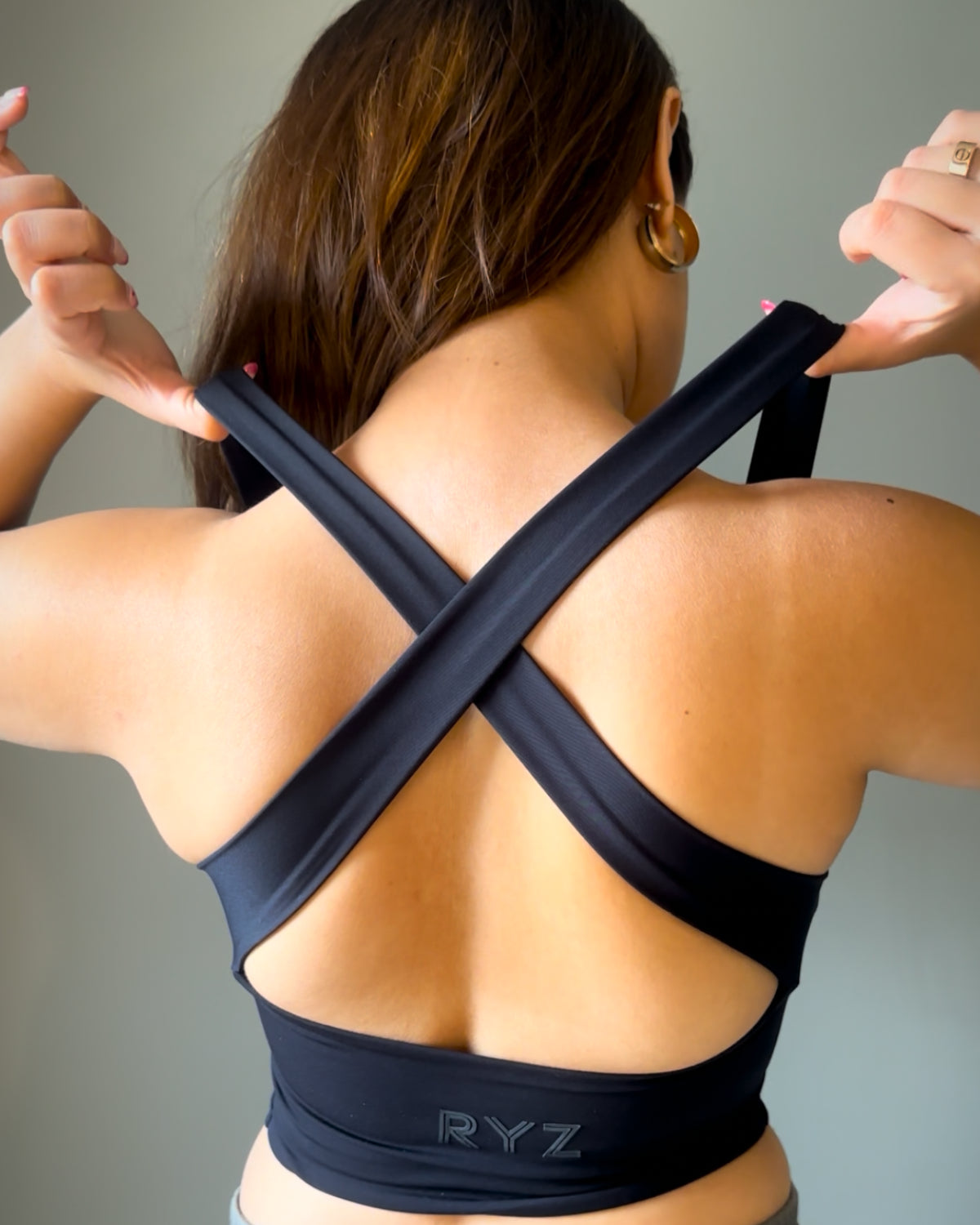
Does more stretch mean better activewear? Not necessarily. While stretch improves comfort and flexibility, excessive stretch can reduce support, stability, and long-term performance. The best activewear balances stretch with structure and fabric recovery—ensuring comfort without compromising fit, durability, or performance.
Does More Stretch Mean Better Activewear?
The Shift: From Gym Wear to Everyday Active Fashion
Activewear in India has evolved. What was once built purely for performance is now worn across the day—gym, coffee runs, travel, and everything in between.
This shift has changed what people expect from their clothing. Comfort is no longer optional. Flexibility is no longer niche. And naturally, stretch has become one of the most talked-about features in modern activewear.
But somewhere along the way, a simple idea took hold:
“More stretch must mean better activewear.”
It sounds logical. It feels intuitive. But it’s not entirely true.
Why Stretch Became So Important
1. Comfort First
Stretch fabrics move with your body. They reduce friction, improve ease of movement, and feel more forgiving across different body types.
2. Versatility
Modern activewear isn’t just for workouts. It needs to transition seamlessly from high movement to low movement environments.
3. All-Day Wearability
When activewear becomes everyday wear, stiffness becomes a problem. Stretch solves that.
This is where the rise of premium activewear for women in India intersects with lifestyle needs.
Where the Misconception Comes From
Softness vs Quality
The softer and stretchier a fabric feels on first wear, the more “premium” it seems. But softness alone is not performance.
First Impression Bias
Highly stretchy garments feel amazing the first time you wear them. But performance is measured over time—not minutes.
Comfort ≠ Performance
Comfort is one dimension. Stability, support, and recovery are equally important.
When More Stretch Works
There are clear scenarios where high stretch is beneficial:
- Travel and long wear days
- Casual, low-intensity movement
- Yoga or stretching sessions
- Relaxed, lounge-style outfits
In these contexts, flexibility and softness enhance the experience.
When More Stretch Becomes a Problem
1. Loss of Support
Excess stretch often means less structure. This can lead to garments that feel unstable during movement.
2. Transparency Issues
Highly stretched fabrics are more prone to becoming see-through—especially in leggings.
3. Shape Loss Over Time
Without proper fabric recovery, garments lose their original fit after repeated use.
4. Instability During Intense Workouts
In high-impact environments—strength training, HIIT, running—too much stretch can feel uncontrolled.
Athlete Perspective: Why Serious Users Avoid Excess Stretch
Experienced gym-goers and athletes often prioritize:
- Controlled compression
- Stability during movement
- Consistent fit over time
For them, overly stretchy fabrics can feel unreliable. The preference shifts toward structured activewear—where the garment supports the body, not just moves with it.
The Missing Piece: Fabric Recovery
One of the most overlooked concepts in activewear is fabric recovery.
What is Fabric Recovery?
Fabric recovery refers to a material’s ability to return to its original shape after being stretched.
Why It Matters
- Maintains fit over time
- Prevents sagging and deformation
- Ensures consistent performance
- Improves garment longevity
Without recovery, stretch becomes a liability.
What Premium Activewear Gets Right
The best activewear doesn’t chase maximum stretch. It engineers balance.
That balance includes:
- Stretch for comfort
- Structure for support
- Recovery for durability
This is where the difference between mass-market and engineered gym wear in India becomes clear.
A More Refined Approach: Active Fashion
At RYZ, the approach is not athleisure. It is active fashion.
The idea is simple:
Design garments that perform—but also hold presence beyond the gym.
Instead of maximizing stretch, the focus shifts to engineered stretch.
Fabrics like Softretch® are designed to:
- Feel soft on skin
- Offer controlled flexibility
- Maintain structure during movement
- Deliver long-term shape retention
This is not about being the stretchiest.
It’s about being the most balanced.
Explore Structured Activewear
If you're looking for activewear that balances comfort and performance:
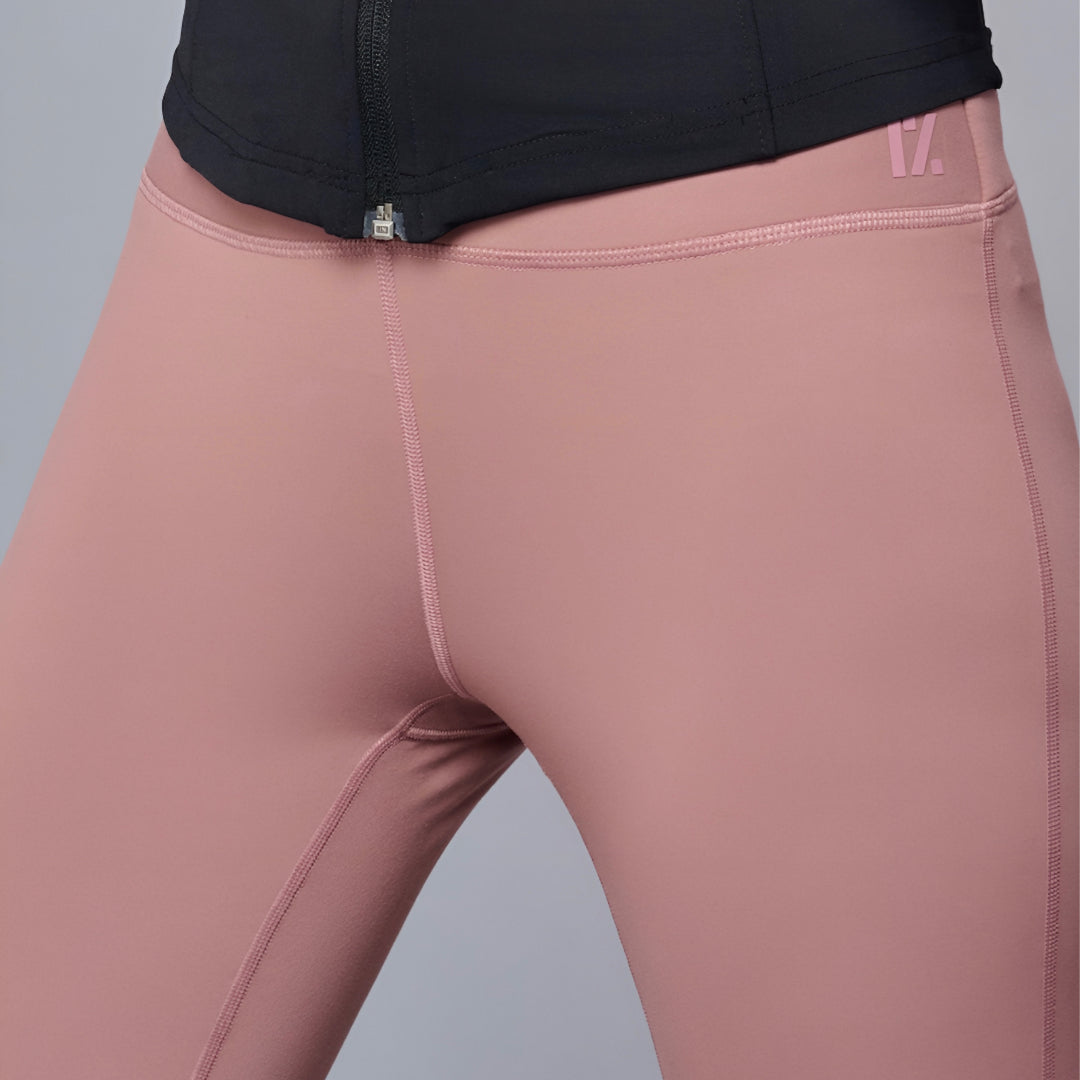
- Explore structured leggings and bottoms
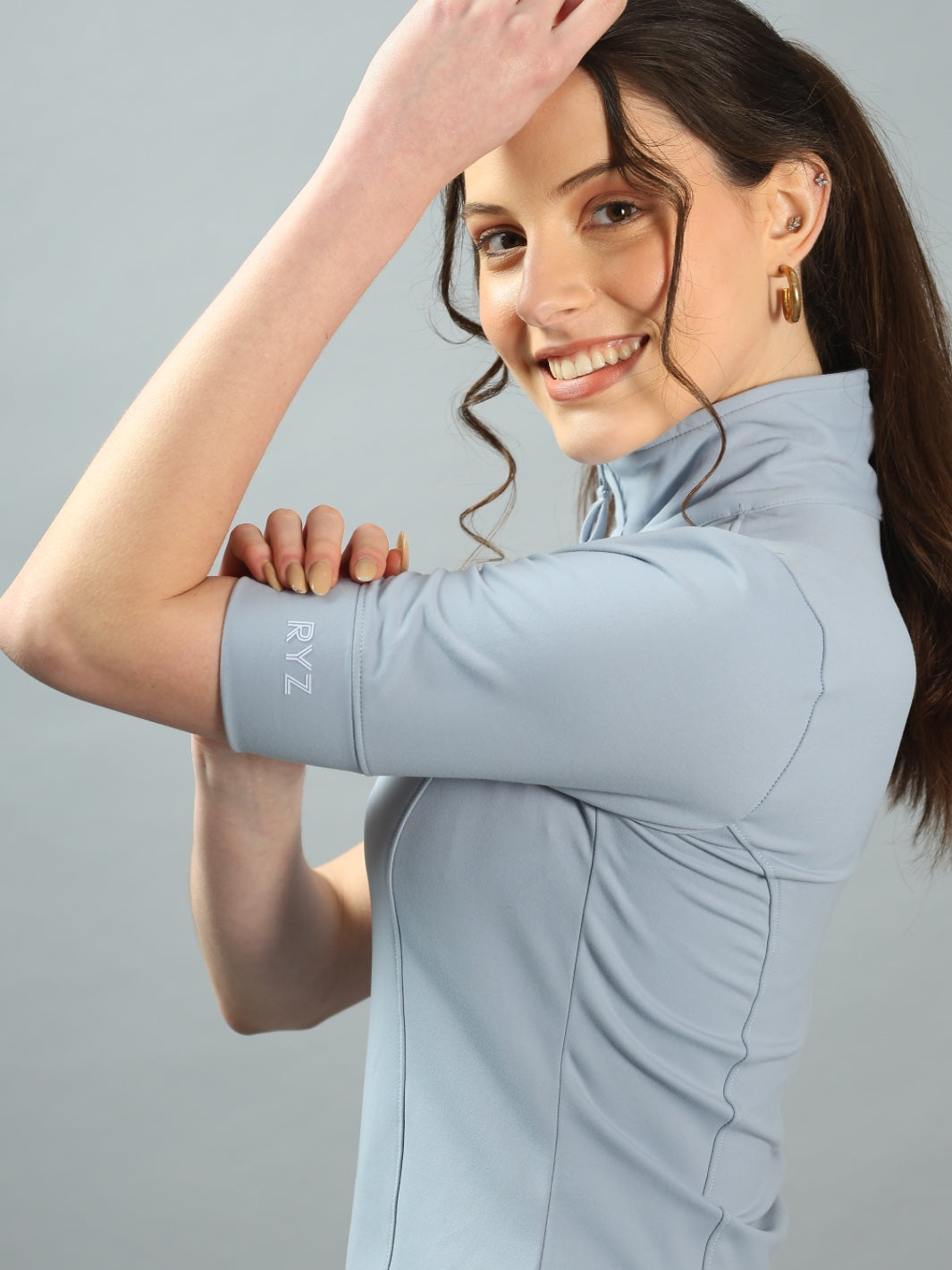
- Discover performance tops
- Core Contour Mesh Leggings
- Swoosh Sports Top
- Swoosh Wrap Tank
Conclusion
More stretch does not automatically mean better activewear.
Comfort without structure lacks performance. Stretch without recovery lacks durability.
The future of activewear—especially in India—is not about extremes. It is about precision.
And the best garments are the ones that get the balance right.
FAQs
1. Does more stretch mean better gym wear?
No. While stretch improves comfort, too much stretch can reduce support and stability.
2. What is the ideal stretch level in activewear?
The ideal level balances flexibility with structure and recovery for long-term performance.
3. Why do leggings lose shape over time?
This happens due to poor fabric recovery, not just excessive stretch.
4. Is stretch important for workouts?
Yes, but it must be controlled. High-intensity workouts require stability, not just flexibility.
5. What is fabric recovery?
Fabric recovery is the ability of a material to return to its original shape after stretching.
6. Do athletes prefer stretchy fabrics?
Most prefer structured fabrics with controlled stretch for better support.
7. What is structured activewear?
It refers to garments designed with balance—offering stretch, support, and shape retention.
8. Is Softretch® highly stretchy?
It offers engineered stretch—soft and flexible, but with structure and recovery built in.


Leave a comment
All comments are moderated before being published.
This site is protected by hCaptcha and the hCaptcha Privacy Policy and Terms of Service apply.